Our History in Art
The Story and Significance of the World of Wallingford Millennium Sculpture
Created to celebrate Wallingford’s rich 1,000-year history through artistic expression.
The Values Behind Our Heritage Celebration
Our core values emphasise the importance of preserving Wallingford’s history, engaging the community, and using art as a meaningful way to inspire visitors and locals alike.

Heritage Preservation
We honour Wallingford’s rich 1,000-year history by creating lasting artistic tributes.
Community Engagement
Our sculpture fosters pride and connection among local residents and visitors.
Educational Inspiration
We aim to inspire curiosity and learning through accessible and engaging public art.
World of Wallingford Sculpture
Initial Explanation for First Time and Younger Viewers
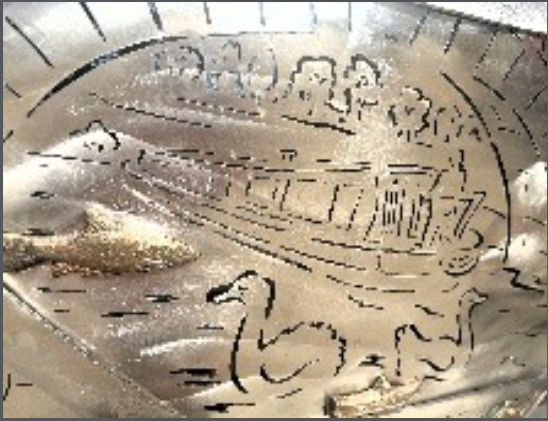
The River Thames as the Main Focus of this Sculpture
Flowing through the town, linking it to Local, National and World trade. It offers huge opportunity to introduce people to water activities, skills and understanding the power of water.
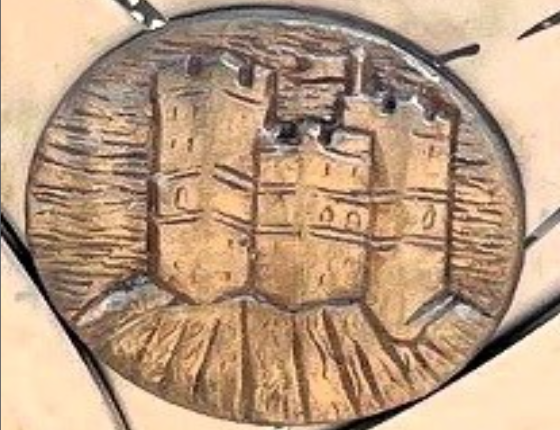
The Castle
dominating the area from the 11th century for six hundred years, it was one of the most important strongholds in England, seat of the heirs to the throne. It was finally destroyed in 1652 by Oliver Cromwell. The substantial ramparts and few stone remains can still be walked around and admired.
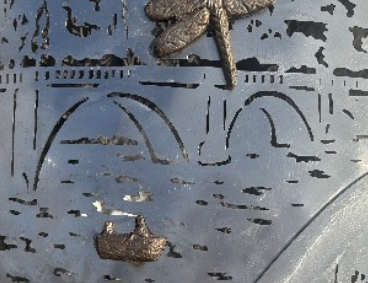
Wallingford Bridge
connecting Wallingford with Crowmarsh Gifford, a bridge was first recorded in 1141. In the 17th century Civil War, four arches were fitted with wooden drawbridges for protection and not replaced in stone until the next century. In 1809 a great flood swept part of the bridge away, which was then rebuilt with wider central arches.
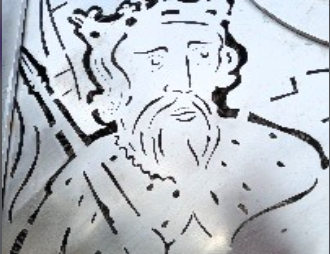
King Stephen
wealthy, 12th century King of England and grandson of William the Conqueror. He claimed the throne in 1135 when Henry I died. He soon became heavily involved in a long civil war against his cousin Matilda, which became known as ‘The Anarchy’. Peace was finally declared by the Treaty of Wallingford in 1153.
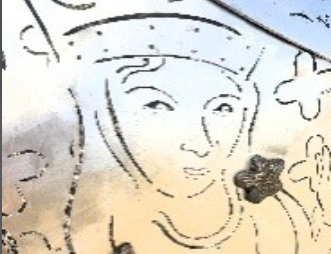
Empress Matilda
daughter of Henry I, was named his heir after her only brother William drowned. She was ‘Empress’ from marriage to a Holy Roman Emperor, who then died. Though re-married to Count Geoffrey of Anjou, she still used her earlier title. Wallingford Castle was her main stronghold in the war against Stephen. She is still admired not least for an amazing escape from Oxford Castle. Her son Henry fought Stephen and was crowned King Henry II when Stephen died in 1154.
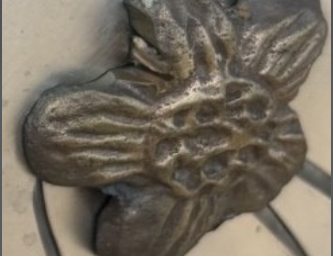
Origin of the name Plantagenet
Probably came from the common yellow broom plant, known in Medieval Latin as planta genista. A sprig was said to be worn by Geoffrey of Anjou, father of Henry II. Wallingford was granted its Charter in 1155 by Henry II, the first of the long line of Plantagenet kings associated with Wallingford Castle.
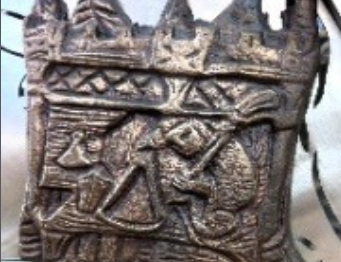
Richard of Wallingford
orphaned son of a Wallingford blacksmith, who was taken in by the Prior of Wallingford, educated at Oxford, and became Abbot of St Albans in 1327. He created a great clock for the abbey and became one of the most famous medieval mathematicians and astronomers, despite being ill with leprosy in later life.
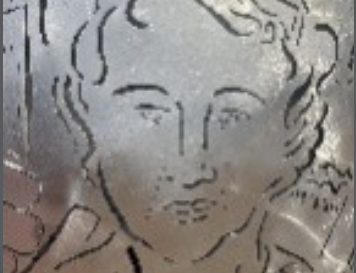
Famous Recent Resident
Agatha Christie, bestselling novelist of all time, was associated with Wallingford and Cholsey. Her home was Winterbrook House, where she lived with her second husband, Max Mallowan, from 1934 until her peaceful death there in 1976. She wrote 66 detective novels and 14 short story collections. Another achievement was writing the world’s longest-running play, ‘The Mousetrap’, which opened on 6 Oct 1952 and is still being performed. She is buried in the churchyard at St Mary’s Cholsey.
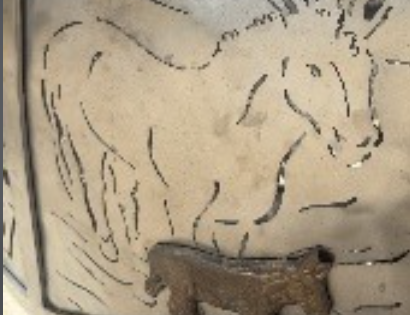
Green Fields, Leaves, Nature
Island Farm Donkey Sanctuary is a dedicated refuge that cares for rescued donkeys, providing a safe haven for them, while also promoting education about their needs. Visitors are welcome to explore the sanctuary on Didcot Road, where they can interact with the 100+ donkeys and learn from staff about the care and rehabilitation efforts. They do love to be stroked.
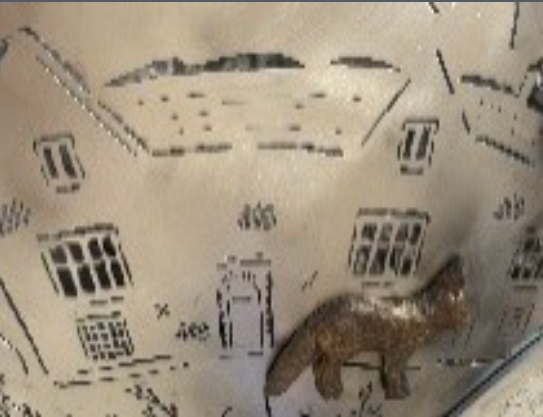
Buildings within the town
15th/16th century Flint House is home to Wallingford Museum. Opened in 1981 and entirely run by volunteers, it is family-friendly and offers a fascinating look at Wallingford’s amazing history. It includes a fine model and history of the Castle, an Agatha Christie room, and many special exhibits.
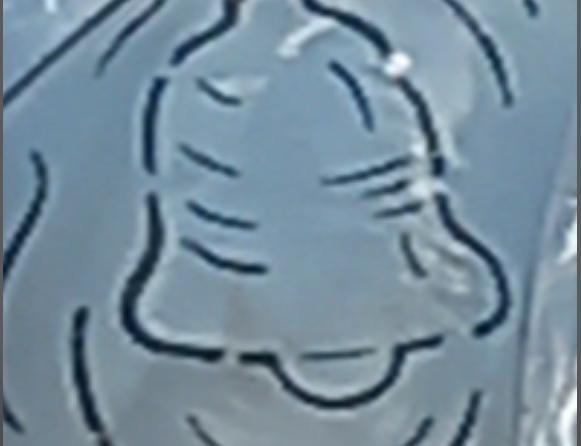
Churches and the Curfew Bell
In 1069 William the Conqueror imposed a curfew at 8pm in every settlement; a bell was rung to tell people to put their fires out and be indoors for the night. An ancient tradition survives that because Wallingford assisted William in 1066, allowing his army to ford the river here and negotiate with the Saxons, he gave the town an extra hour before curfew. The curfew bell at St Mary-le More’s Church in the Market Place therefore still rings every night just before 9pm.
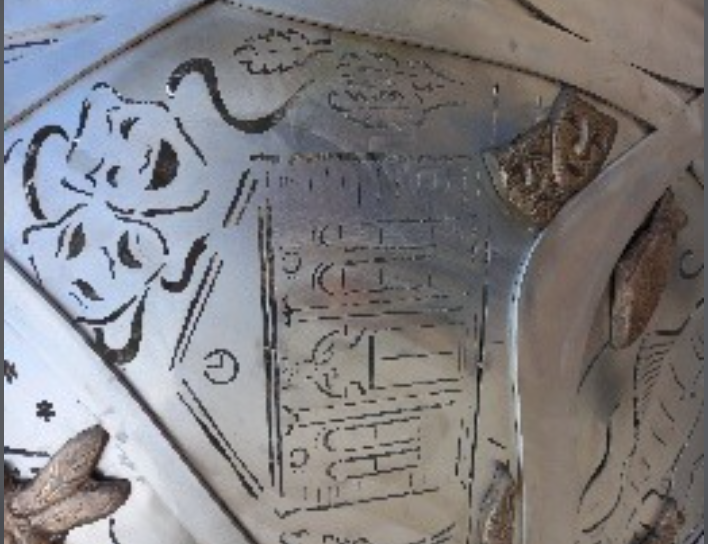
Theatre, Festivals and Music
The Corn Exchange was built in 1856 to provide corn-dealers with a large covered space to do business. By 1975 the fine building was no longer in use, derelict, and in danger of demolition. The Sinodun Players, the town’s amateur dramatic society, took it over, modernised the complex, and converted the much-loved building for use as a theatre, cinema and for festivals. Run by volunteers, it bubbles with entertaining activity.
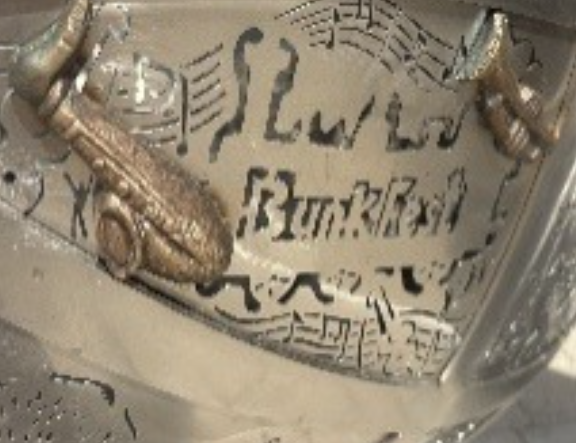
Bunkfest
so called, following the nickname used for the local railway line. This amazing free-access, family-friendly, community music festival has now been running for more than 20 years (cancelling only for Covid). In 2025 it was attended by 25,000 people. It has been given the prestigious King’s Award for Voluntary Service, being run solely by volunteers and now achieving deserved national importance.
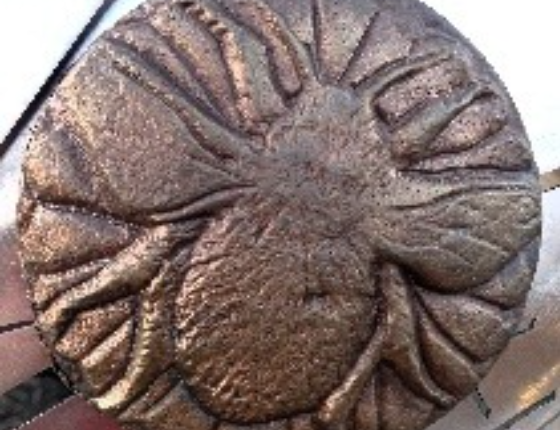
Rowse Honey
the site of this internationally well-known company lies nearby. It put Wallingford on the map as the UK’s main distributor of quality honey and is the major employer in this area. Rowse Honey began when Tony Rowse started beekeeping as a hobby, at his home in the local village of Ewelme in 1938
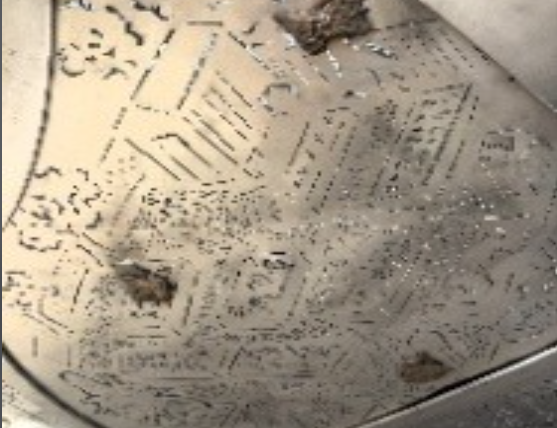
Highcroft Allotment, And Extensive Areas to Reflect the Important of Wildlife Habitats on this New Housing Estate
numerous examples appear on the Sculpture, and the immediate area has extensive wild areas in which to walk and exercise. There is an abundance of trees and landscaped gardens.
Visit Highcroft to Explore Our Local History Sculpture
Join us at Highcroft to see the sculpture up close, enjoy guided stories, and deepen your understanding of Wallingford’s long history.
Contact us for information on visiting or educational opportunities.
Telephone:
E-mail:
Address: